
Infra4NextGen Consortium Meets in Milan to Review Findings and Plan Next Steps
The Infra4NextGen (I4NG) consortium met in Milan on 20–21 January 2026 for its latest in-person meeting, hosted by the Department of Social and Political Sciences at the University of Milan. Bringing together representatives from across the project, the meeting focused on reviewing recent research findings, coordinating future activities, and strengthening the dissemination of project outputs at both European and national levels.
Day 1: Insights from the Five Thematic Pillars
The first day of the consortium meeting opened with a Work Package Review Board meeting in the morning, followed by welcome remarks from project coordinator Rory Fitzgerald, and project updates from the coordination team. The afternoon was dedicated to presentations from academic experts representing each of the five thematic pillars, drawing primarily on findings from the recent CRONOS-3 survey and Topline Reports.
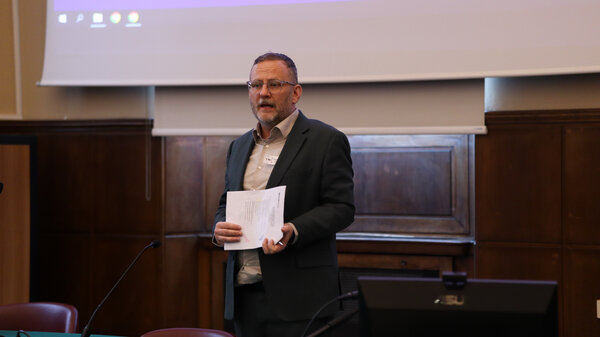
Project coordinator Rory Fitzgerald (City St George’s, University of London) welcomed the attendees, before giving the floor to the academic experts from the different pillars.
The Make it Digital session, presented by Lasse Marz, explored public attitudes towards artificial intelligence across Europe. His presentation highlighted how AI use and self-assessed AI skills vary across populations, as well as how Europeans perceive the growing use of AI in administrative and workplace settings.
Susan Banducci followed with findings from the Make it Equal theme. Her presentation examined perceptions of equality across Europe, including attitudes towards women’s rights and LGBT rights, as well as support for different forms of taxation. The analysis also connected these views to how people perceive their own economic position and wealth.
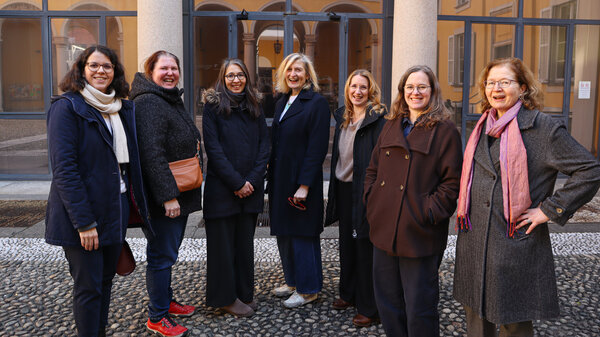
CESSDA participates in the project both through the Main Office and Service Providers. Here represented by (from left to right) Veronika Preuer (AUSSDA), Irena Vipavc Brvar (ADP) Dr. Rabia Karatoprak Ersen (GESIS), CESSDA Director Bonnie Wolff-Boenisch, Insa Bechert (GESIS), Cécile Guezennec (CESSDA MO), and Bodil Agasøster (Sikt).
The Make it Green pillar was presented by Wouter Poortinga, who focused on public perceptions of climate change. The findings show widespread agreement that climate change is real and already having tangible effects, with around 90% of respondents in most countries acknowledging the issue. At the same time, the data reveal a gap between awareness and action, with significantly lower support for the most far-reaching climate measures.
In the Make it Healthy session, Insa Backhaus presented research on mental health in Europe. The findings point to what has been described as a “silent crisis,” particularly among younger people. Across countries, younger generations report significantly poorer mental health than older cohorts, highlighting an important challenge for policymakers and public services.
The final presentation of the day came from Rumiana Stoilova on behalf of the Make it Strong theme. Her presentation focused on young people’s educational and career choices, their perceptions of labour market opportunities, and their outlook on family and social ties. The findings underline substantial differences across countries, generations, and genders, particularly in relation to STEM education and expectations around employment after graduation.
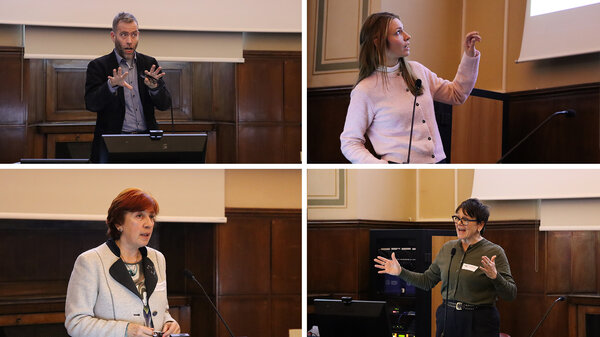
Wouter Poortinga (Cardiff University), Insa Linnea Backhaus-Hoven (NTNU), Rumiana Stoilova (Institute of Philosophy and Sociology at Bulgarian Academy of Sciences), and Susan Banducci (University of Birmingham) were some of the experts presenting the findings on the five pillars of I4NG.
The day concluded with a roundtable discussion bringing together the academic experts to reflect on which findings were most surprising, visually striking, or concerning, and what these results might mean for future research and policy debates.
Bonnie Wolff-Boenisch, who both attended and participated at the meeting, said the Infra4NextGen project is a great example of the value CESSDA brings to the European Social Science research community:
“Infra4NextGen is a strong example of how CESSDA member’s services and expertise are being put into practice to serve Europe’s major social science surveys and their research communities. Coming together in Milan also allowed the consortium to exchange insights and findings, strengthen synergies between research infrastructures in the social sciences and partners, and jointly plan the next steps of the project.”
Two of the pillars, Make it Green and Make it Strong, presented their findings from the new Topline reports, which are being produced for all five of the pillars. The Make it Green report features analysis of Make it Green items from the self-completion web first panel (CRONOS-3), while the Make is Strong report analyses panel survey data collected on the Make it Strong theme over the past two years.
Day 2: Tools, Coordination, and Dissemination
The second day of the meeting shifted focus towards implementation and outreach. Sessions covered updates on data harmonisation, the E-NextGen tool, CRONOS developments, and plans for deliberative mini-publics, training activities, workshops, and datathons. A second roundtable brought together national coordinators to discuss how I4NG outputs can be promoted more effectively at the national level, ensuring that the project’s data and insights reach policymakers, researchers, and other stakeholders across Europe.
Across both days, a recurring theme was the importance of coordinated dissemination: not only producing high-quality data and tools, but ensuring they are visible, accessible, and usable for those shaping Europe’s future under the NextGenerationEU framework.
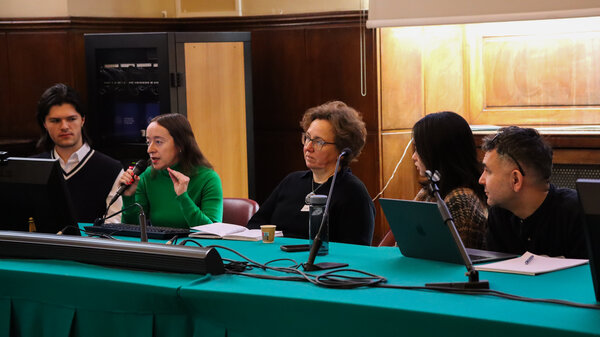
National coordinatiors discussing how to better promote and disseminate the wealth of data and tools created as part of the project.
What is I4NG?
Infra4NextGen is a €9.75 million, four-year project funded by the European Commission under the Horizon Europe programme. Launched in March 2024, the project brings together leading European social science research infrastructures to support the aims of the NextGenerationEU programme and EU youth policy. By repurposing and customising existing data, tools, and services, I4NG supports five key NextGenerationEU priorities: Make it Green, Make it Digital, Make it Healthy, Make it Strong, and Make it Equal.
The project is coordinated by the European Social Survey European Research Infrastructure Consortium (ESS ERIC), with CESSDA ERIC, the European Values Study (EVS), and the Generations and Gender Programme (GGP) forming its core partners.