
Strengthening Open Science Collaboration: Insights from the OSCARS 2nd Annual General Assembly
From 10–12 March 2026, members of the OSCARS consortium, funded projects, and representatives from the European Science Clusters gathered in Seville, Spain, for the OSCARS 2nd Annual General Assembly. The three-day event brought together a diverse community of stakeholders to exchange knowledge, strengthen collaboration, and align on the next phase of the project’s development within the European Open Science ecosystem.
Funded under the European Union’s EOSC call, OSCARS is a 4.5-year project aimed at advancing the uptake of Open Science practices across research communities. With €25 million in funding and a growing network of partners, the project builds on the Science Clusters approach to deliver interoperable, FAIR-aligned data services and support interdisciplinary research. To date, OSCARS has funded 70 projects across domains, contributing tools, services, and methodologies that enhance data-driven science across Europe.
See all contributions from the General Assembly here
Reflecting on Progress at the Midpoint
Two years into the project, the 2nd General Assembly provided an important opportunity to reflect on progress while identifying priorities for the second half of its implementation. A key focus of the event was strengthening collaboration between funded projects, Science Clusters, and the wider European Open Science Cloud (EOSC) landscape. Bringing together both new and established projects, the General Assembly fostered closer cooperation and helped integrate emerging initiatives into the broader community.
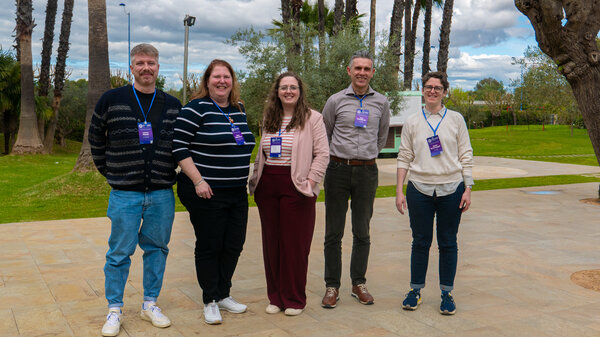
The CESSDA team in Sevilla: Lorenz Makula from AUSSDA, Irena Vipavc Brvar from ADP, Martina Martina Draščić Capar and Alen Vodopijevec from the Main Office, and Nicole Emmenegger from DANS.
The programme combined a variety of interactive formats designed to encourage engagement and knowledge exchange. Flash talks from OSCARS work packages and funded projects provided concise updates on ongoing activities and results, while poster sessions and “speed dating” formats enabled participants to explore synergies across domains. World Café sessions and group discussions created space for deeper dialogue, allowing participants to collectively identify common challenges, align priorities, and explore pathways for sustaining key project outcomes.
Addressing Shared Challenges Across the Data Lifecycle
A central theme throughout the event was the importance of addressing shared challenges across the research data lifecycle. Funded projects presented their work grouped by challenge rather than discipline, covering areas such as the harmonisation of digital repositories, the advancement of data annotation practices, the development of software and AI tools, and the promotion of Open Science through training and communication. This approach encouraged cross-domain learning and highlighted opportunities for collaboration, reinforcing the value of a coordinated, community-driven effort.
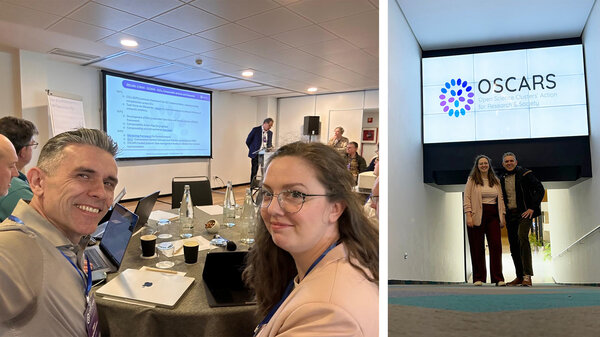
The Main Office's Alen and Martina enjoying themselves at the conference.
Strengthening Support Structures for Sustainability
Discussions also focused on the role of Cluster Competence Centres, nodes, and hubs in supporting the long-term sustainability of Open Science services. Participants examined how existing service offerings align with the needs of funded projects, identifying gaps in training, mentoring, and infrastructure. These exchanges will inform future OSCARS activities, ensuring that support mechanisms remain responsive to the evolving requirements of the research community.
Cross-Cluster Perspectives and Community Contributions
CESSDA representatives actively contributed to the discussions and collaborative sessions, bringing a Social Sciences and Humanities perspective to the conversations around data services, interoperability, and community needs. Their participation reinforced the importance of cross-cluster dialogue in building a cohesive and inclusive Open Science ecosystem.
“What stands out is the strong willingness across communities to collaborate and learn from one another, and to make space for this big-picture perspective within the already complex environment of a research infrastructure. As OSCARS moves into its next phase, ensuring that Competence centres truly respond to users’ needs will be key to turning this collaboration into lasting impact for Open Science in Europe”, said CESSDA’s Head of Project Management, Martina Draščić Capar.
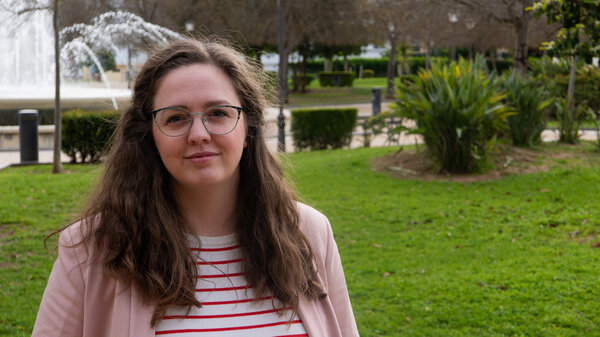
CESSDA's Head of Project Management, Martina Draščić Capar, enjoying the Spanish coastal city.
From a technical perspective, the General Assembly also highlighted the ongoing challenges and opportunities related to interoperability, composability, and FAIR data implementation. Ensuring that tools and services developed across projects can work seamlessly together remains a key priority for the OSCARS community and the broader EOSC initiative.
"For CESSDA and the SSH Open Cluster as a whole, OSCARS is a place for facilitating innovation (through cascading grants) and a chance to build real technical bridges, from federated AAI and composable services to metadata interoperability across disciplinary boundaries. The conversations in Seville confirmed that we're all working on the same set of challenges, and solving them together is the only way forward,” said Alen Vodopijevec, Head of Information & Technology at the Main Office.
As the OSCARS project continues, the outcomes of the General Assembly provide a strong foundation for continued collaboration. The event underscored the importance of aligning technical development with community needs, supporting funded projects, and strengthening connections across disciplines and infrastructures.
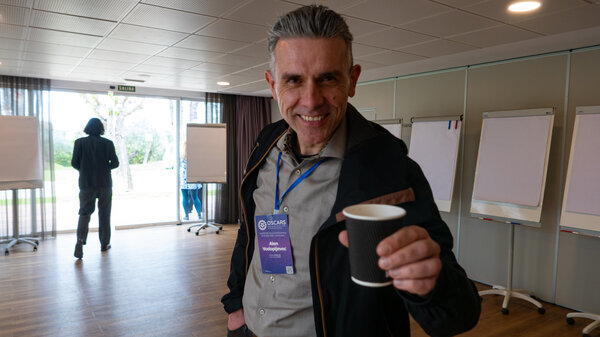
A refreshing cup of coffee for Alen, as he attends one of the sessions.