
Day 3 at CESSDA 50: Reflecting on the past, present, and future of social science data
The third day of the CESSDA 50 conference marked the opening of the public part of the programme, bringing together representatives from research infrastructures, policy, data services, and the wider research community to reflect on CESSDA’s role in the European Research Area.
Across the day, speakers and participants looked at how research infrastructures can support open science, strengthen trust in data, build skills, and respond to new technological and societal challenges.
Opening Session
Chair: Bonnie Wolff-Boenisch (CESSDA ERIC)
Speakers: Benedicte Løseth (Research Council of Norway), Bjørn Henrichsen (CESSDA ERIC), and Matthias Reiter-Pázmándy (Federal Ministry of Women, Science and Research, Austria)
Rapporteur: Johan Van Der Eycken (SODHA)
The day began with an opening session reflecting on CESSDA’s 50-year history and its continued development as a European research infrastructure. Past and present leaders of CESSDA looked back at what CESSDA has been, considered what it is today, and discussed what it must become in the future.
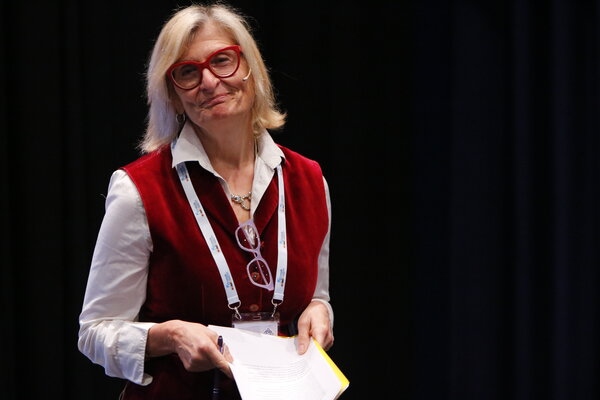
Bonnie giving her welcome speech.
The session highlighted both CESSDA’s long-standing role in supporting Social Science data and the need to continue adapting to changing research practices, policy priorities, and technological developments.
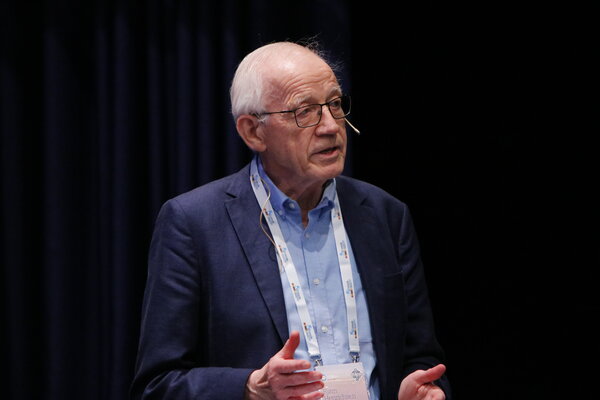
Former CESSDA President Bjørn Henrichsen talked about the history and foundation of CESSDA.
Session 1: Landscape: Shaping the European Research Area
Chair: José Luis Martinez Peña (ESFRI Forum)
Panellists: Sally Chambers (DARIAH ERIC), Eija Juurola (ACTRIS ERIC), Klaus Tochtermann (EOSC/ZBW), and Bonnie Wolff-Boenisch (CESSDA ERIC)
Discussant: Michael Arentoft (European Commission)
Rapporteur: Olja Toljagic (Research Council of Norway)
The first session focused on the development and future of the European Research Area. Strategic partnerships, policy alignment, and cross-border collaboration were central themes, as speakers explored how research infrastructures can contribute to an inclusive, competitive, and future-ready ERA.
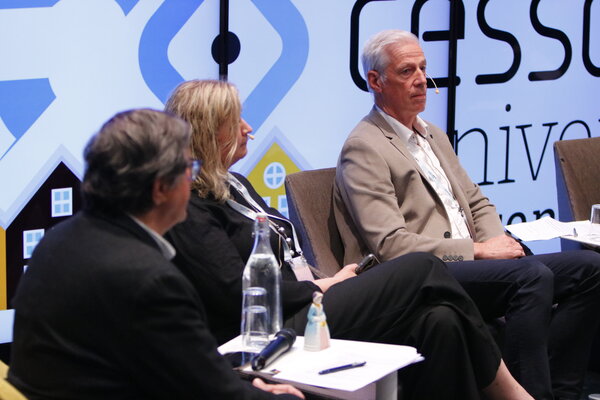
Klaus Tochterman during the first session. Next to him sits Eija Jurrola and José Luis Martinez Peña.
Discussions addressed how the ERA has evolved over the past decades, which milestones have shaped its development, and what barriers and enablers affect collaboration across borders, disciplines, and communities. The session underlined the importance of working together across research infrastructures, policy frameworks, and national systems to strengthen Europe’s research and innovation capacity.
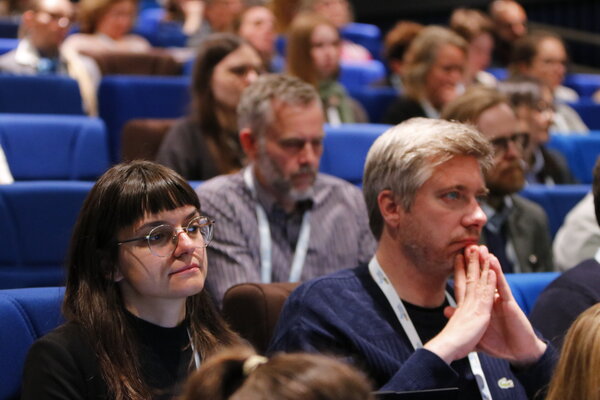
Julia Geistberger from AUSSDA next to Lorenz Makula from the University of Vienna.
Session 2: Data: FAIR, TRUST, and CARE in the Data Ecosystem for AI
Chair: Ingrid Dillo (DANS)
Panellists: Darren Bell (UK Data Service), Tiziana Ferrari (EGI Foundation), Mari Kleemola (FSD), and Bojana Tasic (FORS)
Discussant: Simon Hodson (CODATA)
Rapporteur: Marijana Glavica (CROSSDA)
The second session turned to data, standards, and trust in an increasingly automated and AI-driven research landscape. Speakers explored how research infrastructures can strengthen alignment with global data standards, national policies, and roadmaps while continuing to support open and responsible data practices.
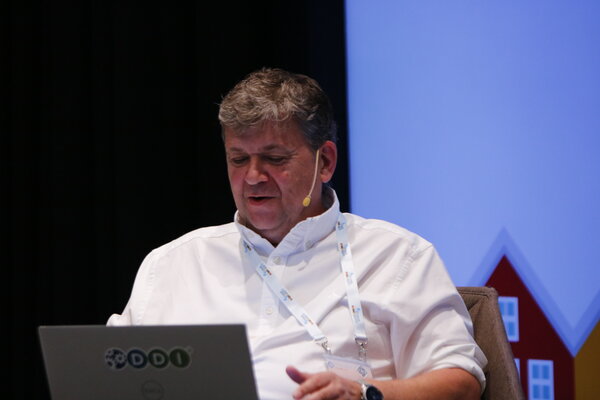
Darren Bell from UKDS.
The discussion highlighted the continued relevance of FAIR principles, while also addressing how frameworks such as TRUST and CARE can help guide responsible data stewardship. As AI creates new opportunities for discovery, automation, and analysis, the session also pointed to the need for transparency, accountability, and trust in data systems that are becoming more complex.
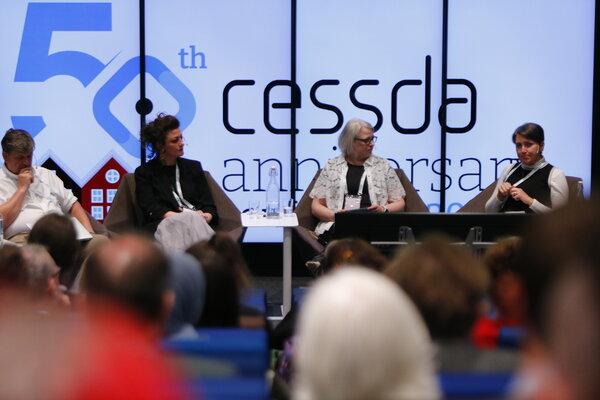
Darren Bell (UKDS), Bojana Tasic (FORS), Mari Kleemola (FSD), and Tiziana Ferrari (EGI Foundation)
Session 3: People: Skills for Open Science: From National Priorities to Global Collaboration
Chair: Steven McEachern (UK Data Service)
Panellists: Darja Fišer (CLARIN ERIC), Hilary Hanahoe (RDA), Eva Stensköld (SND), and Erik Øiolf Sørensen (NHH)
Discussant: Georg Lutz (FORS)
Rapporteur: Maja Dolinar (ADP)
The third session focused on people and skills, looking at how training researchers, data professionals, and research support staff can advance FAIR and open science in Europe and beyond.
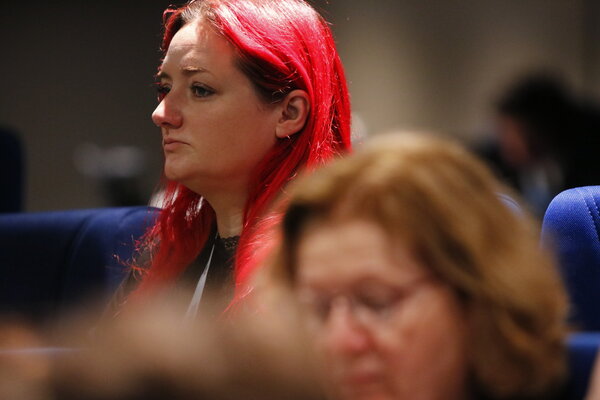
Maja Dolinar from ADP.
Speakers discussed how national priorities are shaping training for open science, and how shared European and international approaches can help avoid fragmentation. The session also considered the role of competence centres and other actors in building sustainable skills ecosystems, supporting collaboration, and ensuring that researchers and data experts are prepared for changing expectations around data management, sharing, and reuse.
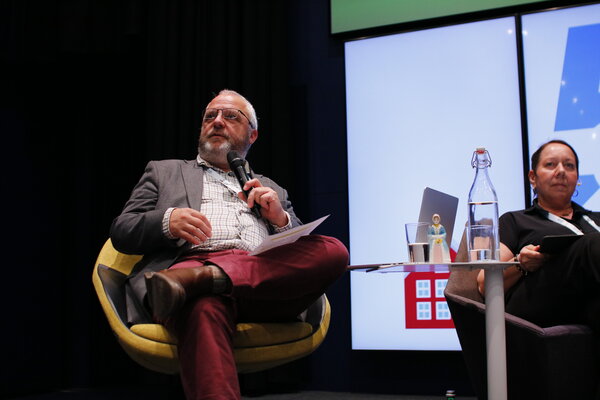
Steven McEachern from UK Data Service.
Keynote Session 1: Social Science Data for Societal Change
Keynote: Linda Nøstbakken (Statistics Norway)
Chair: Helena Laaksonen (FSD)
Rapporteur: Miloslav Bahna (SASD)
The day concluded with the first keynote session, delivered by Linda Nøstbakken from Statistics Norway. Marking CESSDA’s 50th anniversary, the keynote reflected on the role of open science, FAIR principles, and high-quality social science data in supporting societal progress.
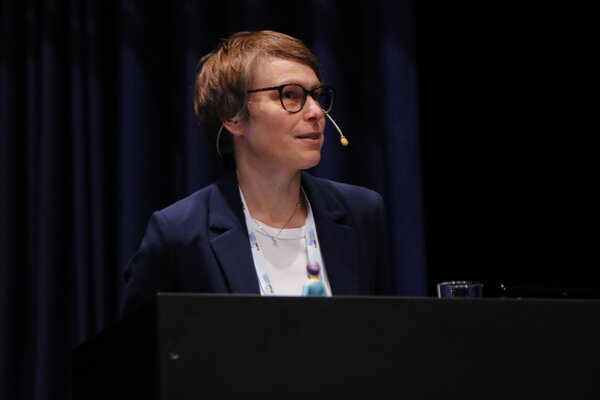
Linda Nøstebakken.
Taking the Norwegian experience as a starting point, the keynote explored how long-term work on data documentation, standardisation, and accessibility has expanded the possibilities for research and policy. It also addressed how ongoing digitalisation is opening new opportunities, while raising important questions around privacy, trust, and social licence.
Together, the sessions on Day 3 showed how CESSDA’s past, present, and future are closely connected. Over the past 50 years, CESSDA has helped build stronger foundations for social science data in Europe. Looking ahead, the discussions highlighted the importance of continued collaboration, trusted data practices, skills development, and openness in shaping the future of research.
All photos in this article were taken by Rodney Appleyard (UK Data Service) and Einar Tobias Grude (CESSDA ERIC).