Day 4 at CESSDA 50: Looking ahead to the future of research infrastructures
The final day of the CESSDA 50 conference focused on the future: the future of research infrastructures, the future of social science data, and the role CESSDA can play in a rapidly changing research landscape.
Across the day, one theme returned again and again: artificial intelligence is reshaping how research is conducted, how data is used, and what researchers need from research infrastructures. From policy dialogue and emerging data practices to evolving user needs and questions of trust, the sessions explored how CESSDA and the wider social science research community can remain future-ready.
Opening Session
Chair: Arlene Healy (ISSDA)
Speaker: Richard Welpton (UKRI: Economic and Social Research Council)
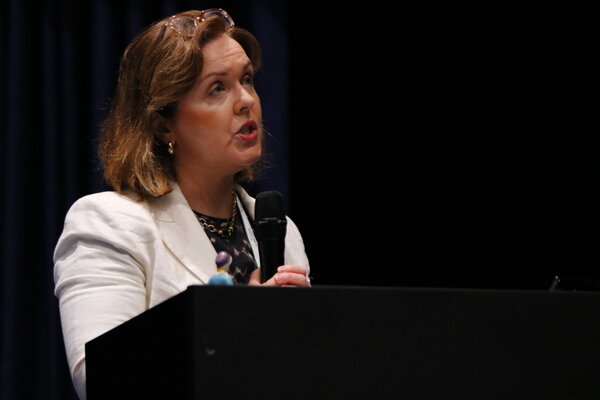
Arlene Healy opening the program on day 4.
The day opened with reflections from Richard Welpton on the importance of research infrastructures remaining a vital part of the data life cycle. He highlighted the need for infrastructures to continue providing essential services that support researchers, strengthen data quality, and ensure that data can be used responsibly and effectively over time.
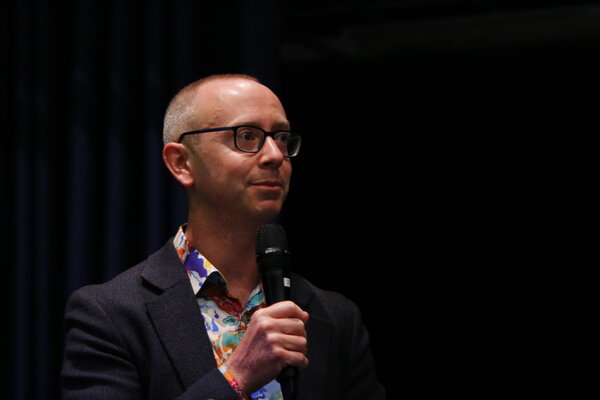
Richard Welpton. The opening set the tone for a day focused on how research infrastructures can adapt to new technological, policy, and societal developments while continuing to serve their communities.
Session 1: Landscape: Future-ready Together: Bridging Research and Policy
Chair: Dimitra Kondyli (SoDaNet)
Panellists: Rory Fitzgerald (European Social Survey), Matthew Gray (Australian National University), Hilde Orten (Sikt), and Brett M. Powell (Roper Center)
Discussant: Carthage Smith (OECD)
Rapporteur: Olga Zhmurko (ČSDA)
The first session explored how research infrastructures can take a more proactive role in connecting data, research, and policy. With perspectives from research infrastructures, data archives, and policy-oriented initiatives, the discussion focused on how open, trustworthy, and interoperable data can strengthen policy dialogue and coordination.
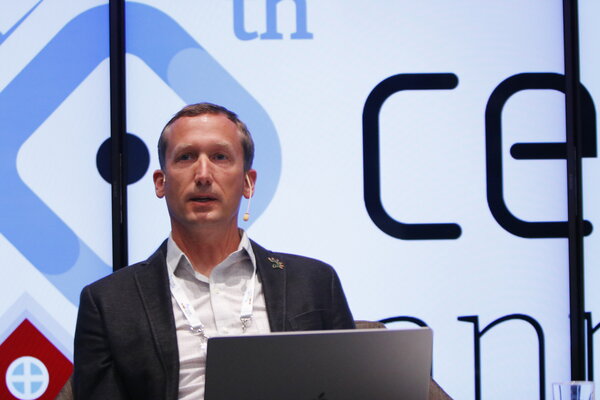
Speakers considered how social science data and research can help anticipate and respond to future societal challenges, and what reforms may be needed in policy, institutional governance, and research culture.
Session 2: Data: New Developments in Social Science: A Snapshot
Chair: Nicolas Sauger (Progedo)
Panellists: Marta Curto-Grau (Barcelona Supercomputing Center), Catalina Franco (Centre for Applied Research, SNF, and FAIR at NHH Norwegian School of Economics), Pei-shan Liao (Academia Sinica), and Katrin Weller (GESIS)
Discussant: Audronė Telešienė (Kaunas University of Technology/LiDA)
Rapporteur: Eiríkur Stephensen (University of Iceland/DATICE)
Nicolas Sauger, chair of the second session.
The second session turned to new developments in social science data, analysis, and collaboration. As AI, digital transformation, and emerging data sources change the conditions for research, speakers explored how social science data practices must adapt to remain relevant.
The session addressed both the opportunities and challenges of working with non-traditional data sources, including ethical and technical questions that researchers and infrastructures must navigate.
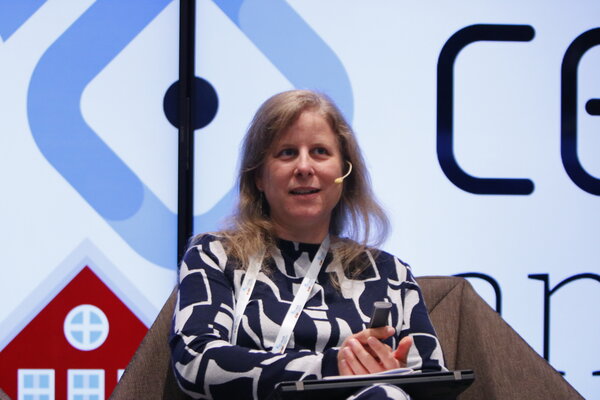
Katrin Weller (Gesis)
Session 3: People: Re-imagine Research: Evolving with Society and Data
Chair: Christof Wolf (GESIS)
Panellists: Seokho Kim (Seoul National University), Yasuyuki Minamiyama (Institute of Social Science, University of Tokyo), Javier Terán (United Nations OCHA), and Lynn Woolfrey (University of Cape Town/DataFirst)
Discussant: Jeannette Jackson (ICPSR, University of Michigan)
Rapporteur: Sonia Stefanizzi (DASSI, University of Milan-Bicocca)
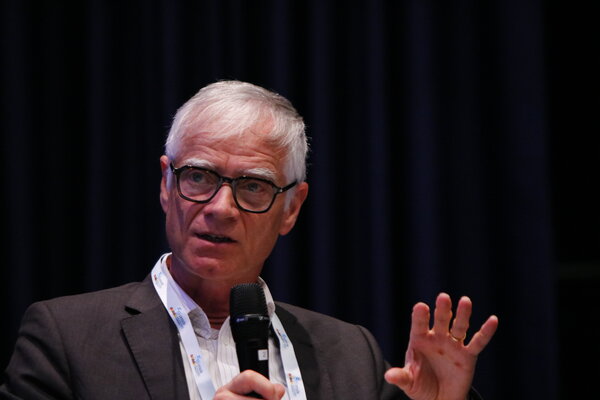
Christof Wolf (Gesis)
The third session focused on people, user needs, and the changing relationship between society, data, and research. Speakers explored how AI and other technologies are transforming scientific research processes, and what this means for the services that research infrastructures provide.
As researchers work with new tools, methods, and forms of data, their expectations and needs are also changing. The session considered how research infrastructures can stay relevant by evolving with their communities, strengthening skills, supporting responsible innovation, and ensuring that services remain useful in a changing research environment.
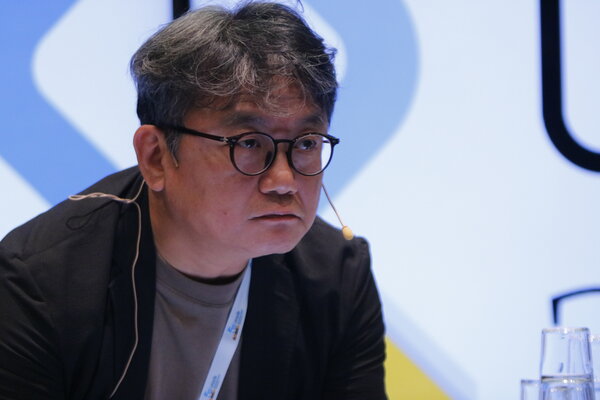
eokho Kim (Seoul National University).
Keynote Session 2: Our Common Future
Chair: Vigdis Namtvedt Kvalheim (Sikt)
Keynote: Barbara Wasson (University of Bergen)
Rapporteur: Yana Leontiyeva (ČSDA)
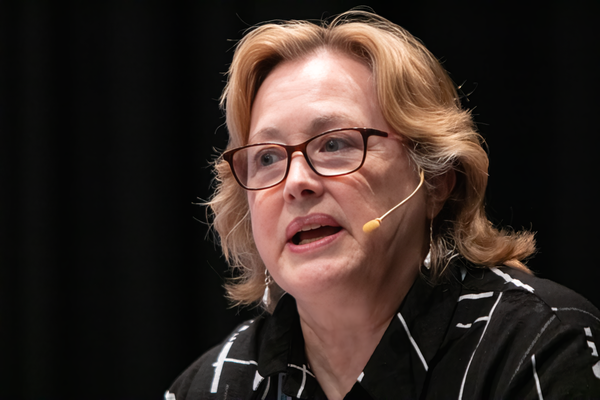
The final keynote, delivered by Barbara Wasson from the University of Bergen, reflected on how artificial intelligence is shaping research, decision-making, and the wider research infrastructure landscape.
The keynote addressed how social science data and research infrastructures can evolve in response to these changes, while remaining a foundation for trust and innovation. As AI becomes increasingly integrated into research and society, the keynote highlighted the importance of ensuring that research infrastructures continue to support transparency, responsibility, and high-quality data.
Closing Session
Speakers: Bonnie Wolff-Boenisch (CESSDA ERIC) and Vigdis Namtvedt Kvalheim (Sikt)
The conference concluded with a closing session looking back at CESSDA’s history and ahead to its future. Vigdis Namtvedt Kvalheim, vice-chair of the CESSDA General Assembly, reflected on CESSDA’s development over time, while Executive Director Bonnie Wolff-Boenisch thanked the participants, speakers, chairs, rapporteurs, organisers, and everyone who contributed both on and behind the stage.
The final day brought the CESSDA 50 conference to a close by looking firmly ahead. Across the sessions, speakers and participants returned to questions of how research infrastructures can remain relevant, trusted, and responsive in a world shaped by AI, digital transformation, and evolving societal challenges.
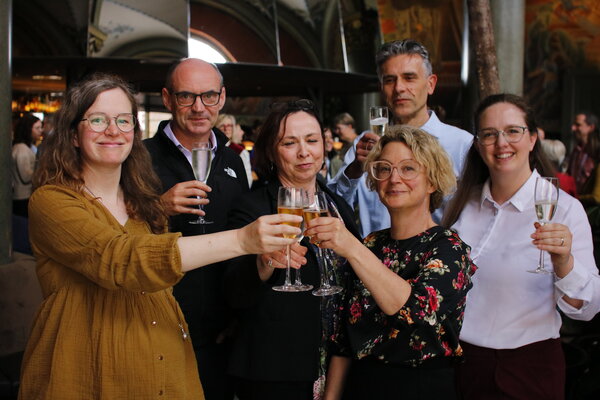
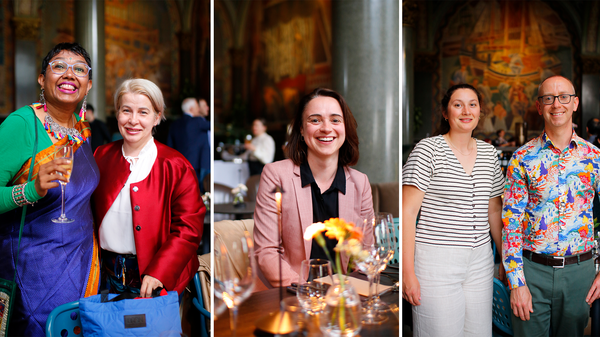
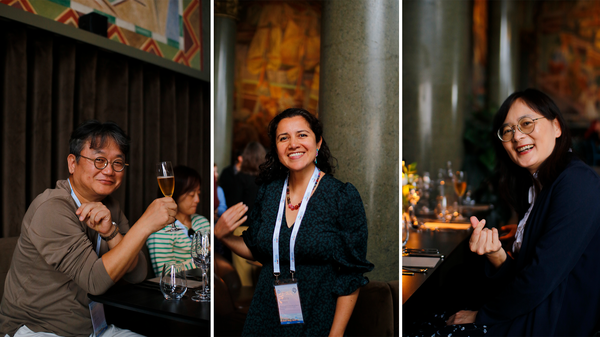
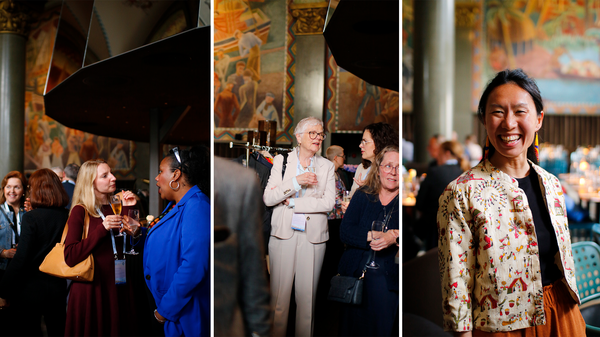
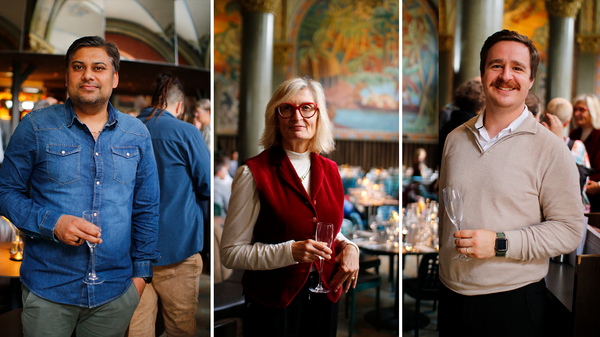
The evening finally concluded with a dinner at Frescohallen, one of Bergen’s most unique restaurants.