
Opportunities for youth, fairness in education, and the road to a career; I4NG’s Datathon produces stunning results
Last week, Infra4NextGen hosted the Datathon: Next Level Europe – Educational and employment opportunities for young people in Europe, a three-day online event that brought together emerging researchers and data enthusiasts from across Europe, and challenged participants to turn complex datasets into policy-relevant insights.
Held from 20–23 April, the event invited individuals and teams to develop analyses that support evidence-based policymaking within the project’s Make it Strong theme. Working intensively over three days, participants explored key issues affecting young people in Europe, including education, employment, mobility, and civic engagement.
From Data to Policy Insight
A total of 11 teams and 19 participants took part in the competition, producing a diverse range of outputs—from policy briefs and presentations to videos, posters, and innovative data visualisations. Using data from the CRONOS-3 web panel survey and other Infra4NextGen resources, participants formulated research questions and translated their findings into formats tailored for policymakers.
The Make it Strong theme focuses on the transitions young people face when moving from education to employment and from youth to adulthood. Participants explored topics such as fairness in educational opportunities, job security, attitudes towards migration, and trust in institutions, reflecting the complexity of building a more resilient and inclusive Europe.
 AUSSDA's Lisa Hirsch was one of the organisers behind the event. She found herself impressed by the outputs by the participants, despite the limited time they had to spend on the task:
"I am impressed by the quality of all submissions and how well thought through the projects were. I am happy so many motivated participants came and made the event their own."
Skills, Collaboration, and Innovation
Beyond the competition element, the datathon provided a hands-on opportunity for participants to strengthen their analytical and communication skills. Participants were free to use any tools or software, encouraging creativity and innovation in how insights were generated and presented.
The event also fostered collaboration and networking, with participants forming teams based on shared research interests and working together in a dynamic, fully online environment.
Recognising Excellence
Submissions were evaluated based on criteria including effective use of data, societal relevance, and clarity of communication for policy audiences. Awards were presented across five categories. All submissions can be seen at the end of the article.
- Best use of data in the Strong Pillar - Group 9, Danny Himes
- Judges' verdict: It’s a unique research topic with a good policy brief. The research was clearly communicated, and we like the policy recommendations.
- Best use of data across pillars - Group 1 - Jakub Adamski, Remigiusz Żulicki
- Judges' verdict: We liked the non-standard approach of combining multiple topics. It resulted in something we had not seen before, and gave us a bigger overview of the topics.
- Best visualisation - Group 2, Benjamin Müller & Group 13 - Liva Haque
- Judges' verdict: the two outputs are very different, but we liked both. One is very eye-catching, while presenting the data in a structured way. The other is a very well-structured presentation that's easy to follow, and has a consistent use of visual elements.
- Best science communication - Group 6 - Michele Martinelli, Marta Caserio
- Judges' verdict: It is very catchy. The statements make it easy to follow and understand the data that is being presented. It’s understandable for all audiences, regardless of their background.
- Best video - Group 7 - Sky Liu & Group 8 - Elisa Noltenius
- Judges' verdict: both videos show that the creator knows their audience very well. Although their styles are different, they keep it engaging and interesting.
Jakub Adamski, who picked up the first price for best use of data across the different I4NG pillars, was very pleased with the event:
"This was my second CRONOS Datathon so far, and I cannot recommend it enough! It is a unique opportunity for social scientists to engage with data in a focused way to produce meaningful outcomes in a short time. I truly appreciate this change of pace, the clear direction, and the opportunity to hone my science communication skills. I am already looking forward to the next one, to challenge myself and my team once more."
Supporting Evidence-Based Policy
The I4NG Datathon highlights the value of combining high-quality research data with fresh perspectives from emerging researchers. By engaging participants directly with policy-relevant questions, the event contributes to a stronger evidence base for understanding the challenges and opportunities facing young people in Europe today.
All submissions
Group 1 - Jakub Adamski, Remigiusz Żulicki
Policy brief - Critical Thinking, Media, and Democracy in an Age of Unchecked Technological Development
Group 2 - Benjamin Müller
Poster - PERCEIVED OPPORTUNITIES FOR YOUNG PEOPLE TO FIND THEIR FIRST FULL-TIME JOB
Group 3 - Jonas Rackl, Niklas Ippisch
Poster - DID YOU GET WHAT YOU WANTED?
Group 4 - Siqi Dong, Miranda Gebhardt, Enzo Soares Gil
Report - Family Formation in Europe: The Role of Family Policy Access and Government Spending
Policy brief - Barriers to Family Formation - Pathways to Access
Poster - Access to family services across Europe
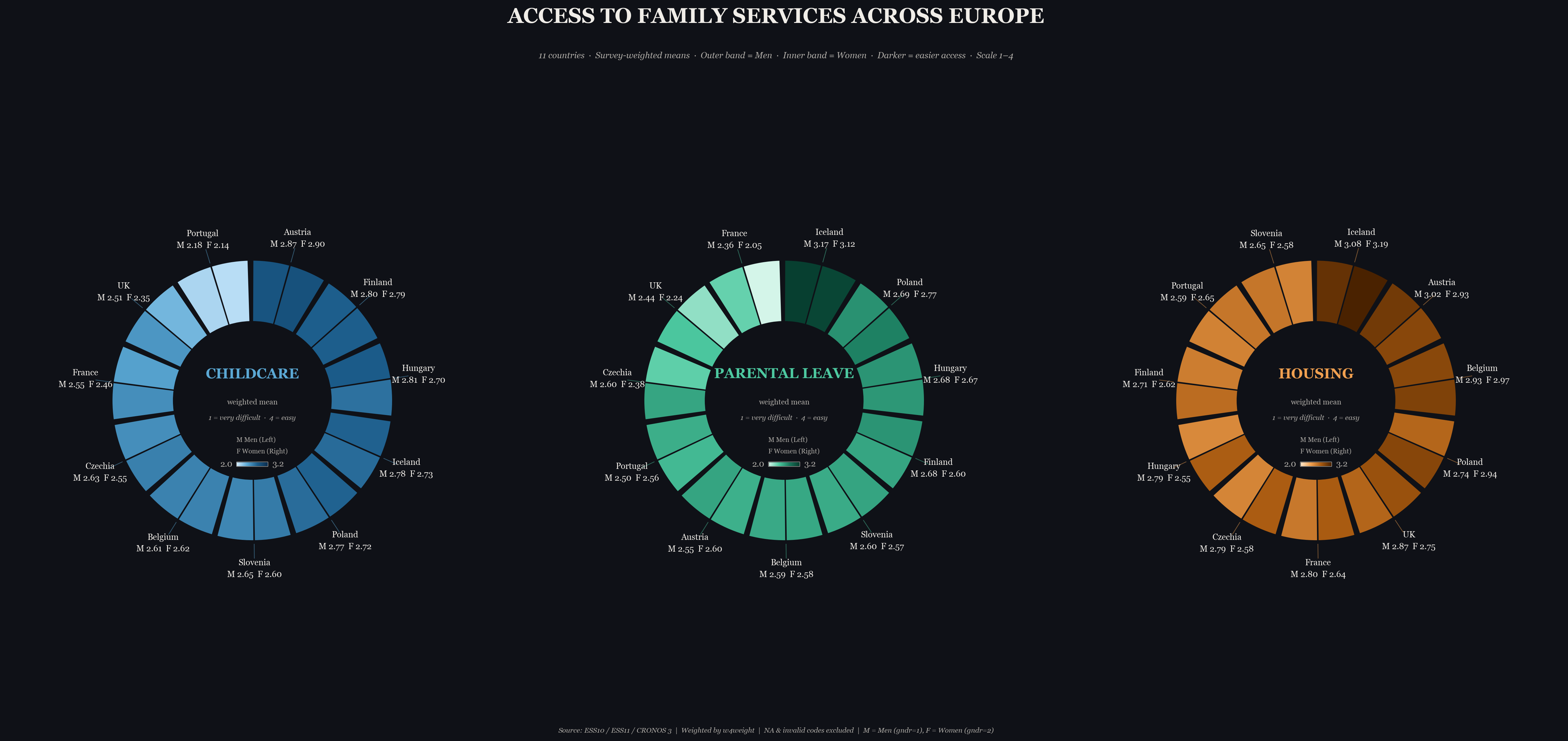
Group 5 - Omer Sarigul, Gokay Meydan
Presentation - From Fair Education to Financial Independence
Policy Brief - From Fair Education to Financial Independence
Group 6 - Michele Martinelli, Marta Caserio
Poster - STACKED DISADVANTAGE AMONG YOUNG EUROPEANS
Policy brief - Stacked Disadvantage Among Young Europeans
Group 7 - Sky Liu
Presentation - Is University Still Worth It? — Figures
Policy brief - Immigration Attitudes Across Europe
Video - Is University Still Worth It?
Group 8 - Elisa Noltenius
Report - Education to Work Transition: What Really Helps Young People Get Their First Job
Video - Why Do Some Young People Struggle to Find a Job?
Group 9 - Danny Himes
Policy brief - Left Behind? Perceived Education Fairness Among Young Disabled Europeans
Group 10 - Martin Velichkov, Vladislava Mateva, Slaveya Zaharieva
Presentation - A Harder Start: Generational Inequality in First-Job Entry Across Europe
Policy brief - A Harder Start: Generational Inequality in First-Job Entry Across Europe
Group 13 - Liva Haque
Policy Brief - Drivers of the Gender Gap in STEM Motivation: Evidence from European Countries
Presentation - Drivers of the Gender Gap in STEM Motivation: Evidence from European Countries
(Groups 11 and 12 withdrew)